
August 4, 2026, 10:37
Finance is boring. So why did the world's two biggest creators bet on it?
Sam Chambers
The most expensive advertising real estate on the planet is a 30 second Super Bowl television slot. In 2023 it cost around $7 million. State Farm, one of America's largest insurers, had bought one for years. Then it did something almost unthinkable for a 100 year old insurance company: it walked away from the Big Game entirely and handed the budget to TikTok creators instead.
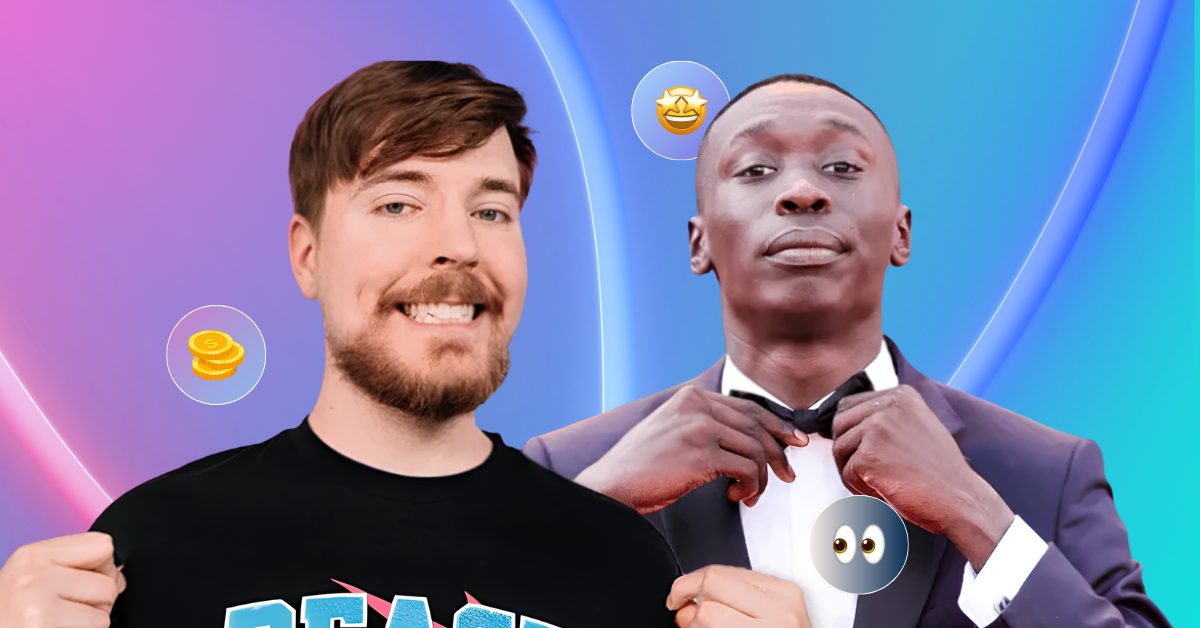
The centrepiece was Khaby Lame, the most followed creator on TikTok, paired with the brand's fictional agent Jake from State Farm. Lame's video alone drew more than 221 million views. Across 13 creator partnerships the campaign delivered a combined reach of over 245 million people, and State Farm's CMO said the results "far exceeded expectations", nearly doubling the +/-125million viewers the superbowl draws in.
The bank that made a creator its shareholder
If State Farm proved creators can out-deliver a Super Bowl, the American fintech bank Current proved something even more interesting: that the deepest creator partnerships stop looking like marketing at all.
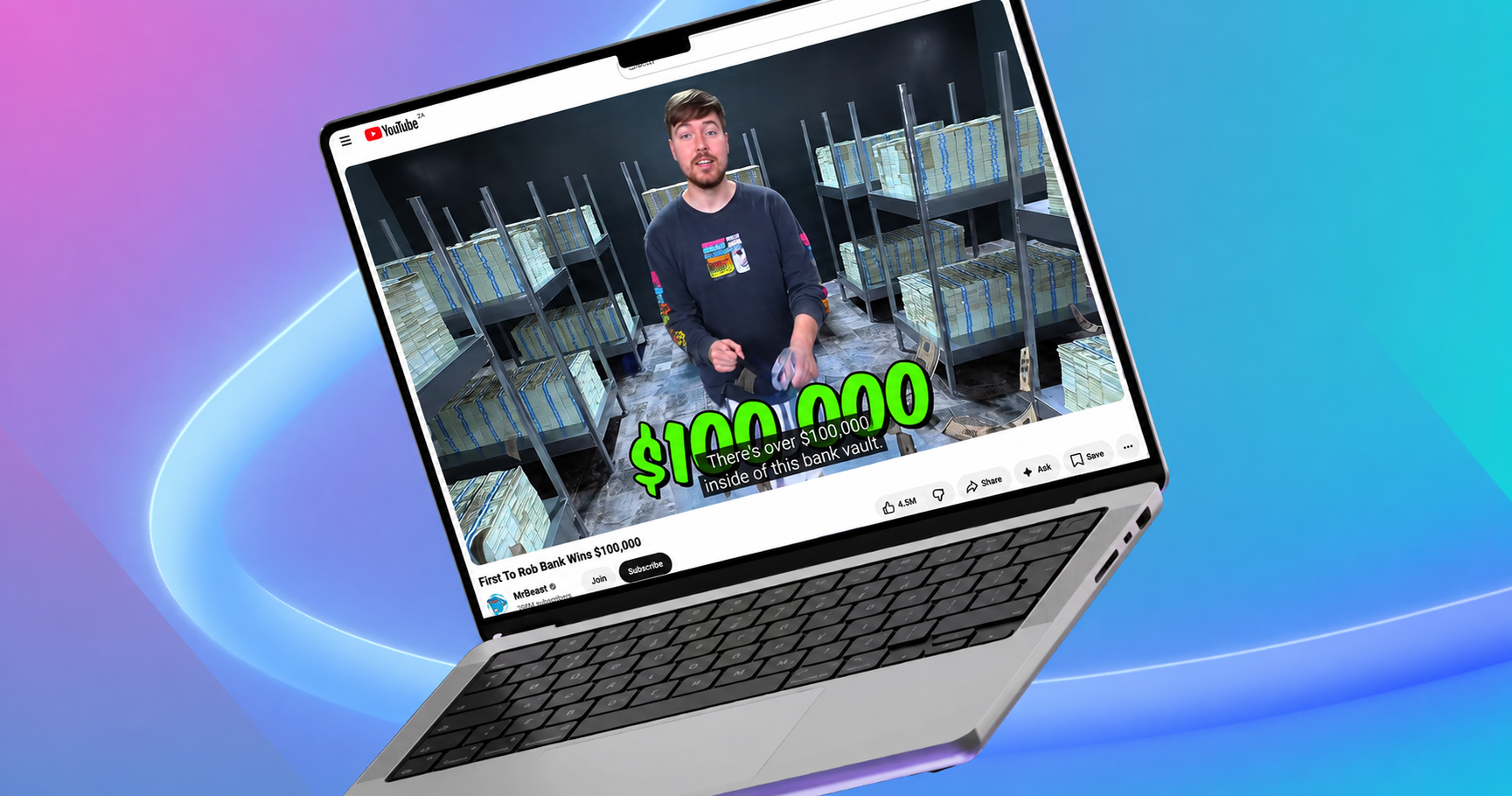
In April 2021, Current announced that MrBeast was not just its ambassador but its investor, locked into an exclusive long term partnership. The collaboration was built into the product itself. In his video "First to Rob a Bank Wins $100,000", fans entered a $100,000 giveaway by sending payment requests to MrBeast's handle inside the Current app. The video hit number one trending on YouTube in under 24 hours and passed 58 million views, now sitting at over 217 million. Daily payment requests on the app jumped 700%, and Current climbed to fifth place in the App Store finance rankings.
Five years on, the relationship has only deepened, with MrBeast growing his stake in the business. This is the pattern I wrote about recently when Roger Federer's stake in On Running crossed $300 million: creators are no longer renting their audiences to brands. They are joining cap tables, and financial services is where some of the boldest versions of that model are playing out.
Why finance needs creators more than most
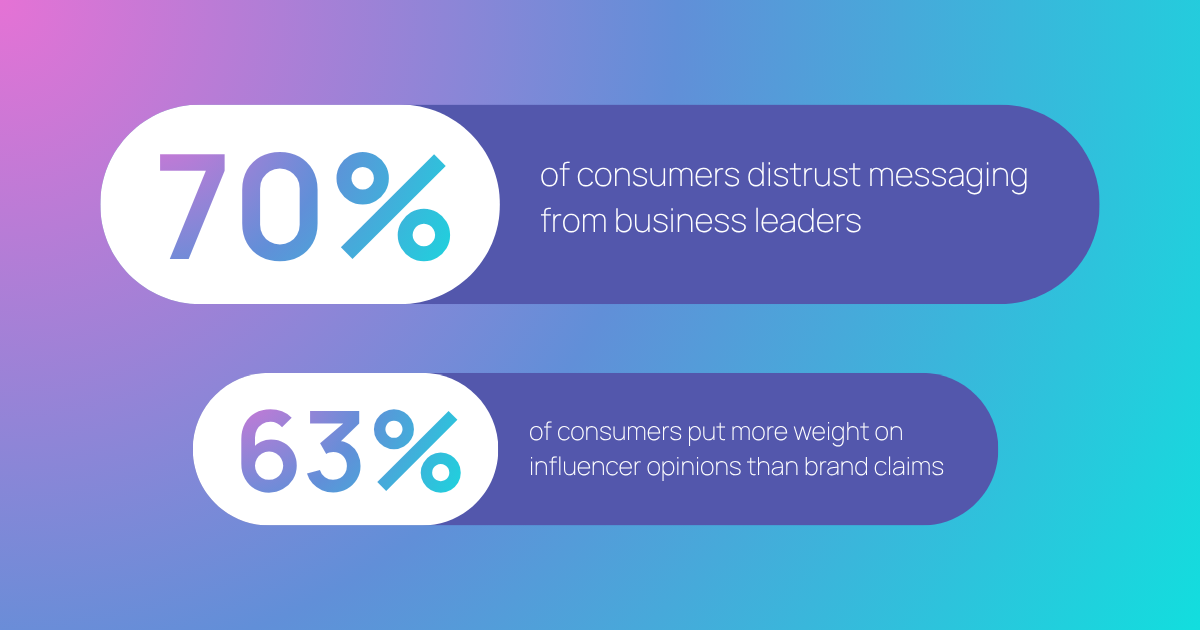
Banking and insurance run on a single asset: trust. Yet the 2025 Edelman research showed that 70% of consumers distrust messaging from business leaders, while 63% put more weight on influencer opinions than brand claims. For categories built on persuading people to hand over their money and their peace of mind, that gap is existential.
Creators close it because they carry something no brand campaign can manufacture: a track record of showing up authentically for an audience that chose them. When a creator explains a savings product, a payment feature or an insurance benefit in their own voice, the message arrives with credibility already attached. The proof goes beyond reach. Ally Financial's TikTok programme, built on real customers as creators, generated over 202 million video views. In Germany, Zurich's dental insurance brand Dentolo worked with more than 100 influencers and signed over 1,000 new contracts, hard revenue attribution in a category most marketers consider impossible to make interesting.
The opportunity on our doorstep
Africa's creator economy is growing at 28.5% a year toward $17.8 billion by 2030, and its audiences are mobile first, young and deeply sceptical of institutional messaging. The conditions that made MrBeast and Khaby Lame work for finance in the United States are even stronger here.
Some of the continent's biggest financial brands are already moving. Through our partnership ecosystem with Nfinity Influencer Webfluential has delivered campaigns for brands including Standard Bank, HSBC, Discovery, Netcare and Hollard alongside more than 530 campaigns across the continent.
For finance marketers wondering where to start, the two campaigns point the way:
- Start with education, not promotion, because creators are at their best explaining products people find intimidating. Give creators genuine creative freedom, since Current credits its results to giving MrBeast near total control of the storytelling.
- Build the campaign into the product experience where you can, so participation requires usage. And think in years, not posts: the partnerships that compound, from Current to State Farm, are the ones structured for the long term.
The world's two biggest creators did not end up in banking and insurance by accident. They went where trust is scarcest and worth the most. The question for every financial brand on this continent is simple: who is telling your story, and does anyone believe them?
Join Webfluential and start growing your business. Subscribe to our newsletter for weekly insights on the creator economy.