
September 3, 2026, 14:20
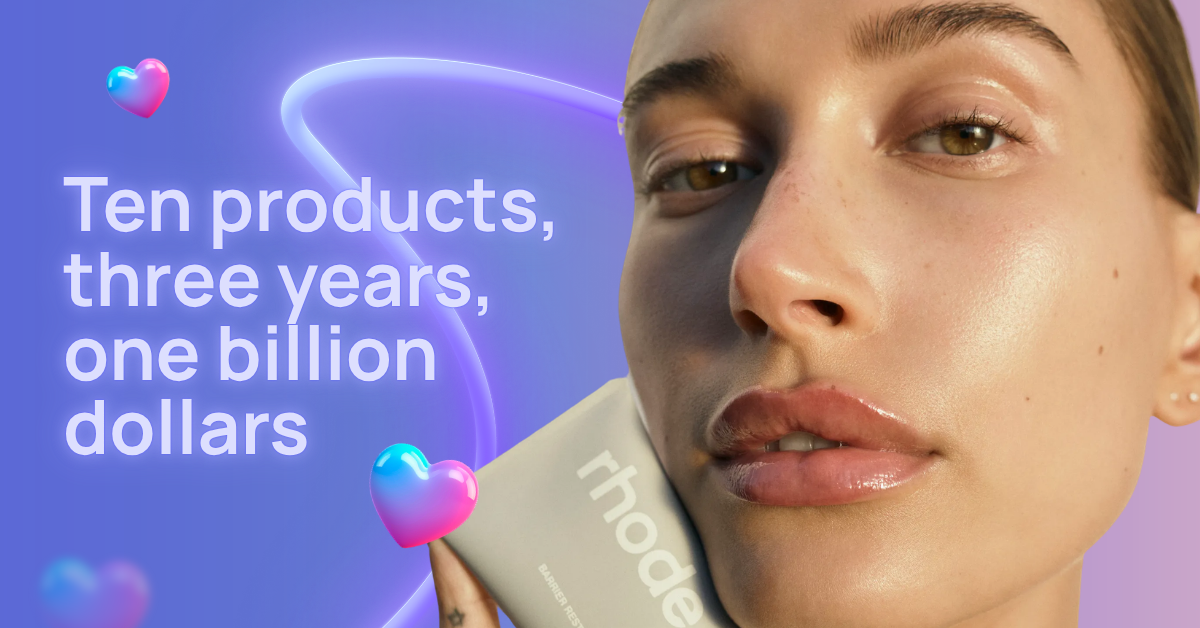
Ten products, three years, one billion dollars: what Rhode signals for creator-led brands
Sam Chambers
On one day this July, a skincare brand founded three years earlier by a woman best known for being photographed sold $27 million of product through its own website. Not through a retailer, not through a marketplace, through rhodeskin.com. e.l.f. Beauty chief executive Tarang Amin put the number in context on the company's August earnings call: that single day beat what 98% of beauty brands do in an entire year.
Ninety thousand of those buyers were new to the brand. More than 70% of the day's sales came from people who had bought before.
Hold both of those facts together, because the second one is the whole story. Celebrity gets you the first purchase. Rhode has worked out how to get the second, and that is what separates it from a long list of famous names whose beauty brands quietly closed in the last 18 months.

What Hailey Bieber actually built
Rhode launched in June 2022 with three products. By the time it sold, it had ten. Ten. In a category where the standard playbook is to flood a retailer's shelf and hope something sticks, Rhode ran a deliberately short range, sold it direct to consumers only, and refused retail distribution entirely for three years.
In May 2025, e.l.f. Beauty agreed to buy it for $1 billion: $800 million in cash and stock up front, plus $200 million tied to performance over three years. At the time Rhode was doing $212 million in net sales over 12 months, from those ten products, with no retail presence. It remains the fastest billion-dollar sale in beauty history.
Then the distribution arrived. Rhode entered Sephora in September 2025 and became the biggest North American brand debut in Sephora's history. It went on to launch as the number one beauty brand at Sephora in the UK and at Mecca in Australia and New Zealand. It is still in fewer than 20% of Sephora doors globally, and this month it lands in 19 European markets.
e.l.f. has had to revise its own expectations twice. It booked a $57.6 million fair value adjustment because Rhode blew through the earnout thresholds written into the deal, and in August it raised full-year guidance to $1.94 billion on the back of the brand. Management now says Rhode could be the fastest beauty brand ever to reach $1 billion in net sales.
The number that should stop every brand marketer
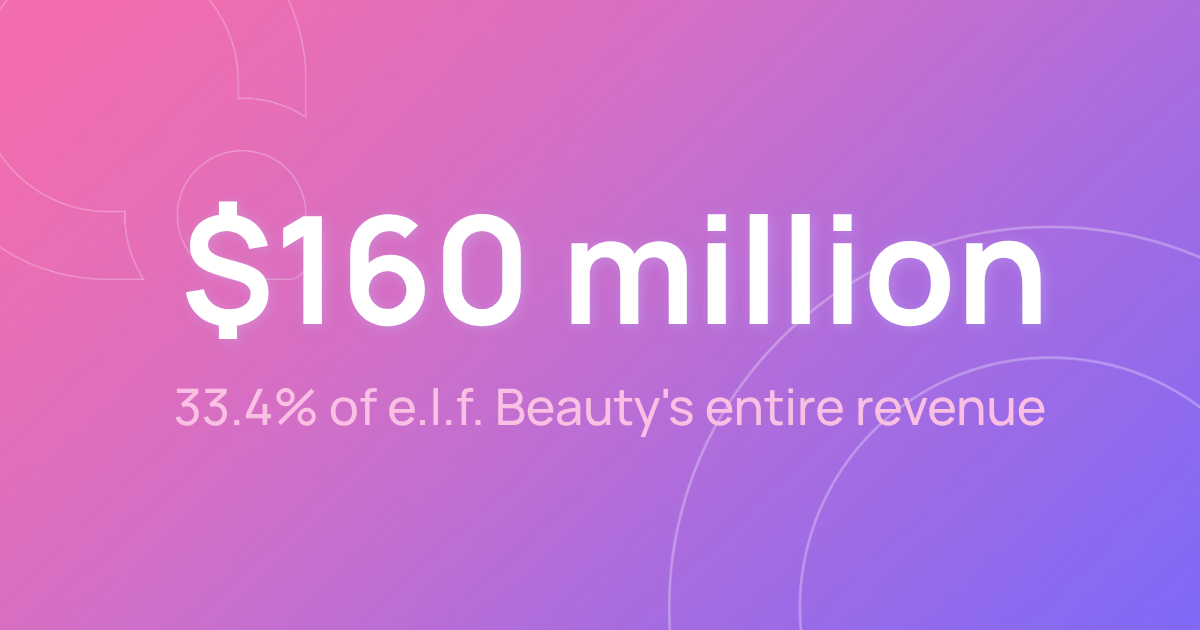
In the quarter to June 2026, Rhode delivered roughly $160 million, or 33.4% of e.l.f. Beauty's entire revenue. Over the same period the core e.l.f. cosmetics brand fell 9.7%.
A creator brand that didn’t exist four years ago is now carrying a listed beauty company that took two decades to build. That is a shift in where brand value gets created, and who holds it.
Most celebrity brands still fail, and that is exactly the point
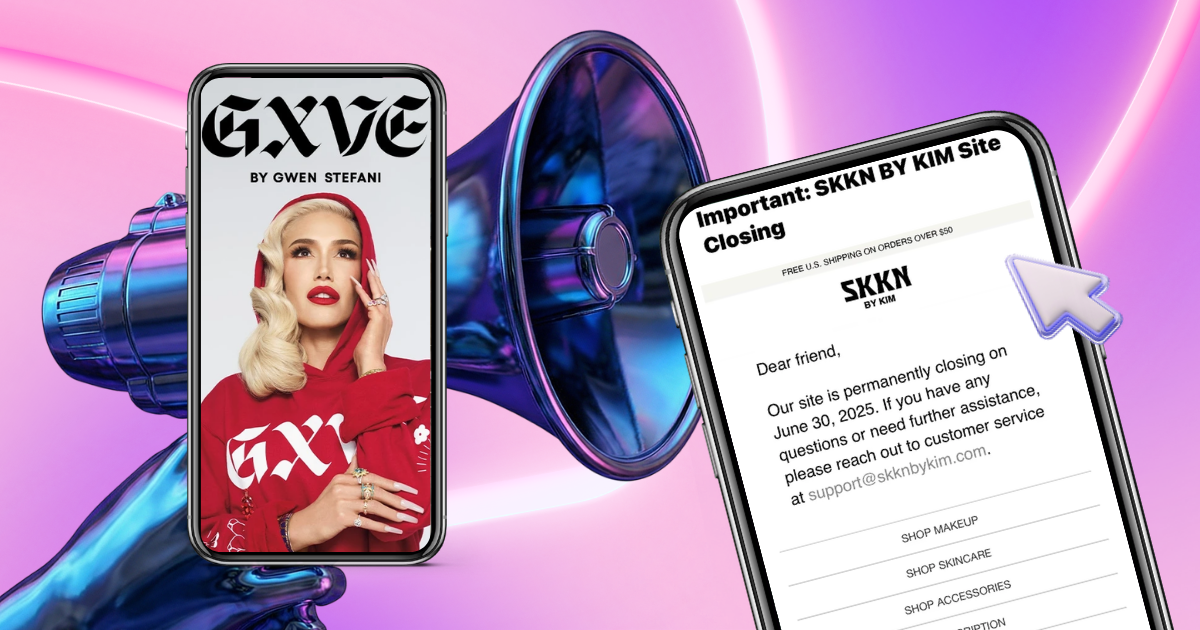
It would be easy to read Rhode as proof that fame converts to enterprise value. The evidence says otherwise. In the same window that Rhode tripled, a run of celebrity brands shut down: Kim Kardashian's Skkn closed in 2025, Drew Barrymore's Flower Beauty was discontinued the same year, Gwen Stefani's Gxve went early in 2026, Lionel Messi's Mas+ lasted under two years, and Alex Cooper's Unwell was pulled this autumn.
There is a big difference between having attention and having permission to enter a category.-
That distinction is the most useful thing a brand marketer can take from this. Rhode had permission because Hailey Bieber had already spent years associated with one specific, nameable aesthetic idea, the glazed skin look, before there was a product to sell. The brand productised a thing her audience already came to her for, then built a short range around it and got the formulations right in a category, peptide lip care, that was genuinely underserved.
Fame was the distribution. The product was the business. Brands that get that order backwards are the ones on the shutdown list.
Three signals for brands working with creators
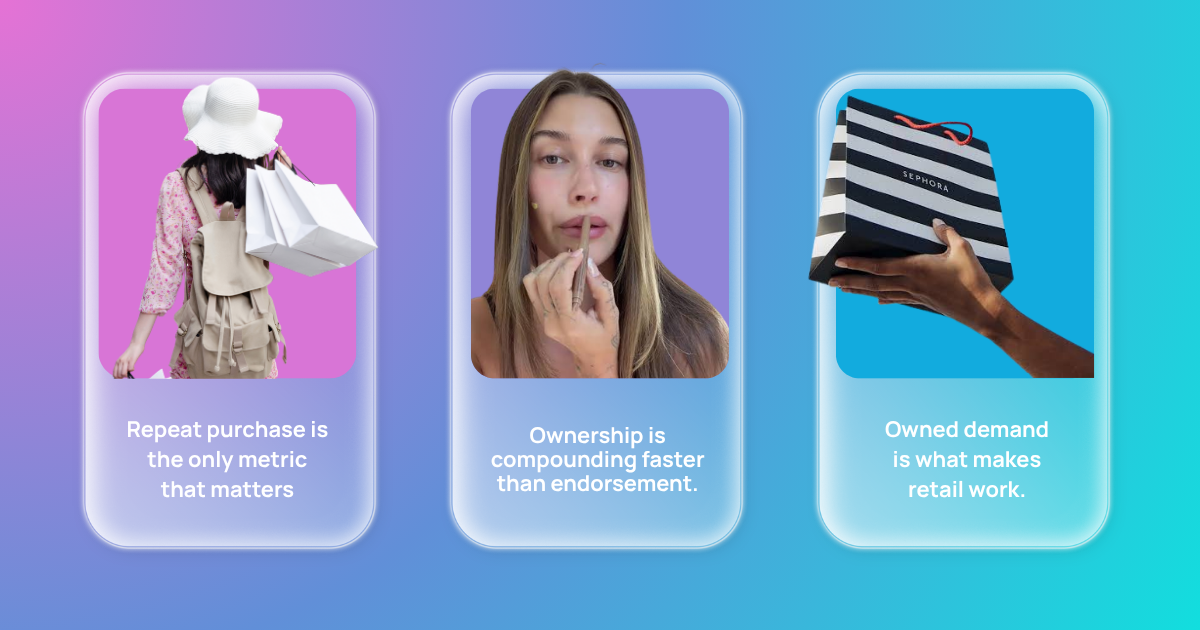
Repeat purchase is the only metric that matters. A creator might be able to move a launch but only a product can move a second purchase. Rhode's record day was 70% existing customers, which is the number a celebrity-fronted brand almost never publishes, because for most of them it doesn’t exist. When you brief a creator campaign, ask what it is designed to prove.
Ownership is compounding faster than endorsement. Bieber did not take a fee to front someone else's brand, and she did not exit at the sale either: she stayed on as chief creative officer and head of innovation, with $200 million of the price contingent on the brand continuing to work. This is the same pattern we wrote about when Roger Federer's stake in On Running crossed $300 million, and when MrBeast became an investor in Current rather than an ambassador. The best creators are increasingly choosing equity over rate cards, and brands that only offer the second will lose access to the first.
Owned demand is what makes retail work. Rhode's three years of refusing retail were not a branding flourish, they were leverage. By the time it walked into Sephora it arrived with proven demand, and Sephora's biggest ever North American debut was the result. Distribution multiplies demand, it doesn’t create it. Any brand hoping a retail listing will fix a weak product has the sequence wrong.
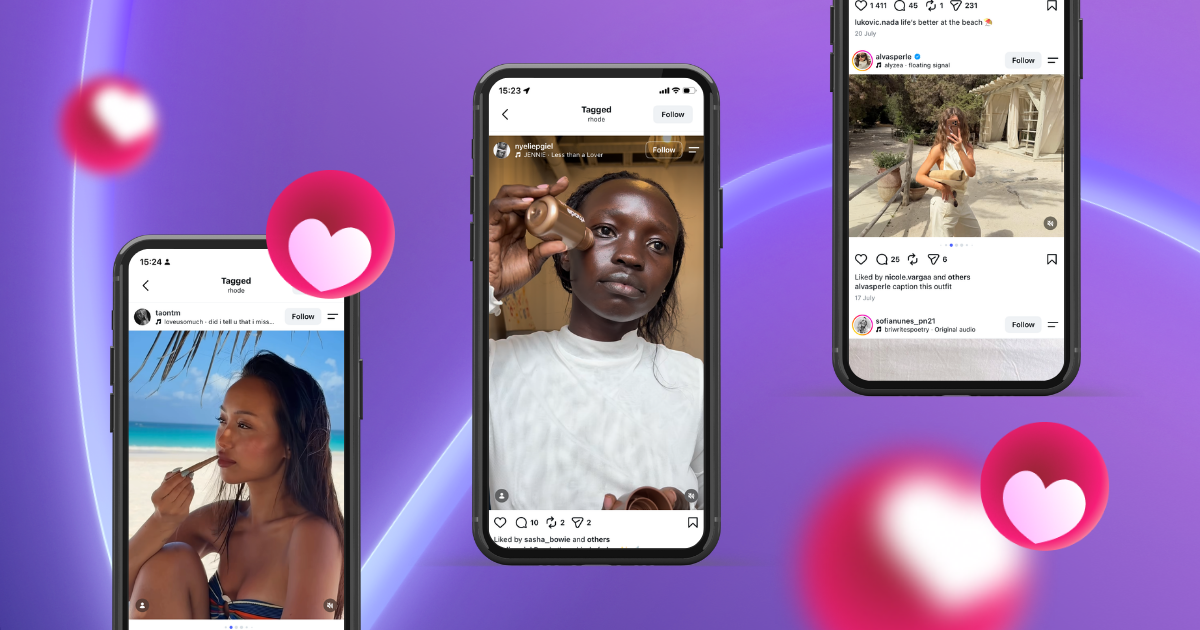
The view from Africa
Two things make this immediately relevant here rather than an American curiosity.
The first is audience geography. On that same earnings call, e.l.f. noted that over 70% of Rhode's followers sit outside the United States. The brand was built on a global audience that a US-only retail footprint could never have reached, which is precisely why the international rollout is working. African creators sit on exactly this kind of borderless following, and most of them are still monetising it as if the only buyer is a local brand booking a post.
The second is that the Rhode model suits this market better than the market it came from. South Africa's cosmetics and personal care sector is worth roughly $4.2 billion in 2026, with online the fastest-growing channel but still around a tenth of retail turnover. Shelf space is expensive, concentrated and slow. A short range sold directly through a creator's own storefront, with the community doing the distribution, sidesteps all three constraints. That is the Rhode playbook, and it needs a storefront and an audience rather than a retail buyer's permission.
Africa's creator economy is growing at 28.5% a year towards a projected $17.8 billion by 2030. Across 530+ campaigns on this continent, the creators we work with are already moving from paid posts towards products, storefronts and long-term stakes. The brands that keep treating them as media inventory will find that the best of them stopped selling inventory some time ago.
What this means for brands
- Brief for the second purchase. Reach buys the trial. Build the campaign so you can measure what happens 30 and 90 days later, and pick creators on delivered performance rather than follower count.
- Offer creators something better than a rate. Long-term partnerships, product co-creation, revenue share or equity. The creators who can build a Rhode will not stay on a booking model, and they are the ones you most want.
- Check you have permission, not just attention. Before pairing a creator with a category, ask what their audience already comes to them for. Where the answer and the category do not overlap, the campaign is renting fame and it will behave like rented fame.
What this means for creators
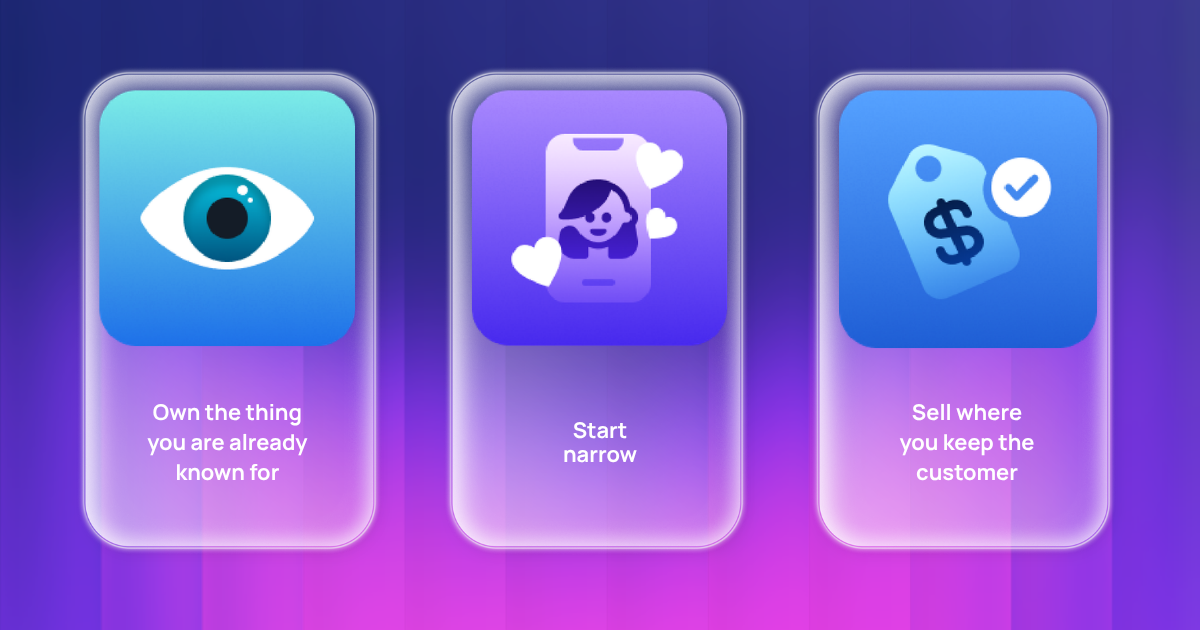
- Own the thing you are already known for. Rhode worked because it turned an existing association into a product. Look at what your audience consistently asks you about, because that is the only category where you start with permission.
- Start narrow. Ten products built a billion-dollar brand. A wide range early is a cash flow problem dressed up as ambition.
- Sell where you keep the customer. Rhode spent three years building direct relationships before handing any of them to a retailer. A storefront you control, with the customer data attached, is worth more than the reach you rent from a platform.
Hailey Bieber did not build a billion-dollar brand because 55 million people follow her. Plenty of people with bigger followings have closed their brands this year. She built it because she picked one thing her audience already trusted her on, made ten products properly, and kept the customer relationship until it was worth something. The question for every brand on this continent is whether the creators you are booking today are building the same thing, and whether you would rather be their partner or their competitor.
Join Webfluential and start growing your business
Subscribe to our newsletter for weekly insights on the creator economy.